


The South African rand (ZAR) has shown notable strength against the US dollar (USD), surprising many market participants who expected emerging-market currencies to remain under pressure. This move is not random. It is driven by a combination of interest rate dynamics, global risk sentiment, and domestic improvements that have shifted investor behavior.
High Interest Rates and Yield Advantage
One of the most important drivers of the rand’s strength is South Africa’s high interest rate environment. When local interest rates are significantly higher than those in developed economies, global investors are attracted by the yield advantage.
This makes the rand attractive in carry trades, where investors borrow in low-yielding currencies and invest in higher-yielding ones. As long as global risk appetite remains stable, demand for the rand increases.
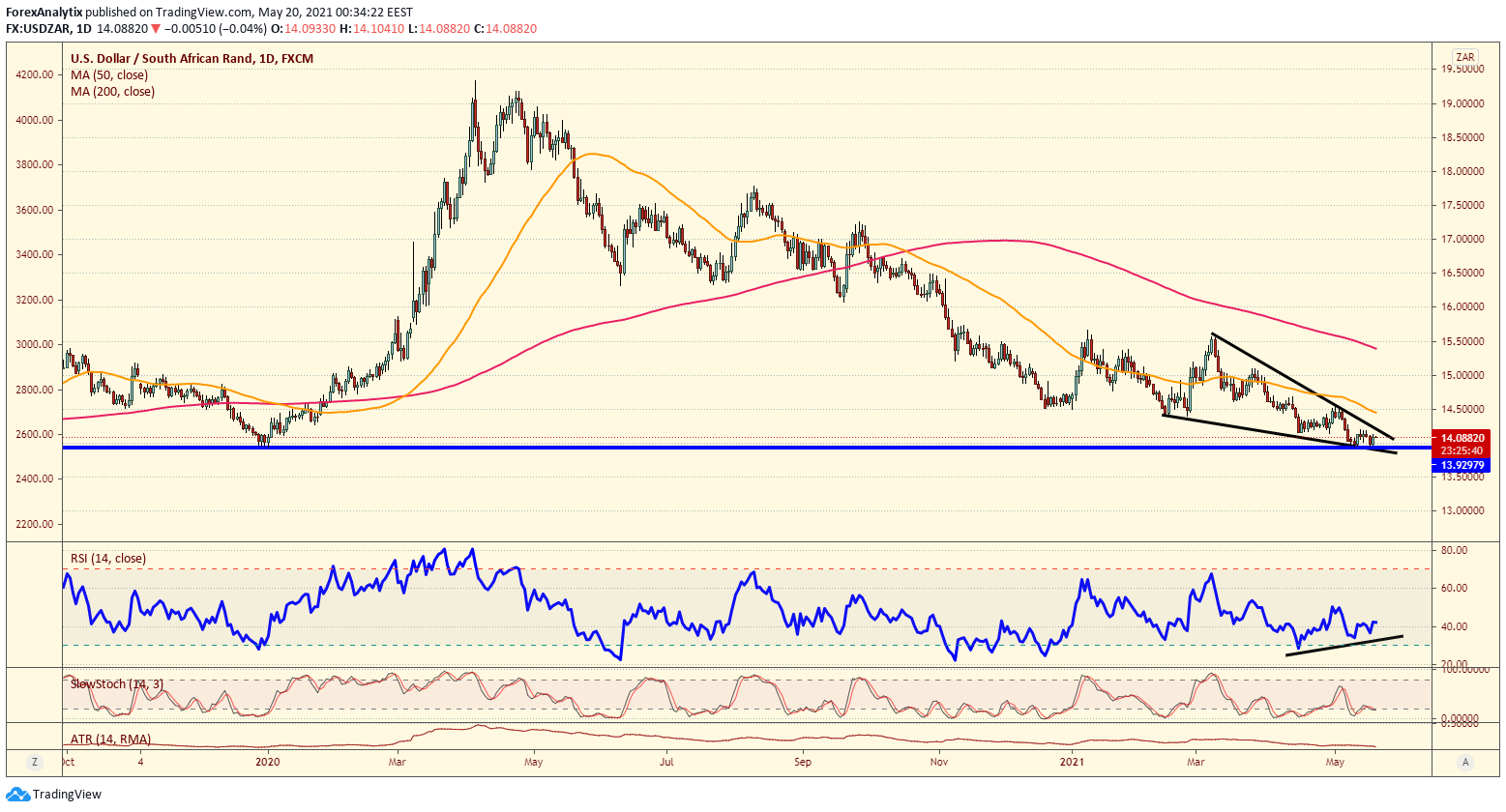
Shifting US Dollar Momentum
The US dollar has faced periods of weakness as markets reassess the future policy path of the Federal Reserve. When expectations move toward slower tightening or future rate cuts, US yields fall, reducing the dollar’s relative appeal.
As yield differentials narrow or shift in favor of emerging markets, currencies like the rand benefit disproportionately.
Improved Risk Sentiment Toward Emerging Markets
The rand is considered a risk-sensitive currency. When global markets are calm and investors are willing to take on more risk, capital flows tend to move into higher-yielding emerging markets.
Stronger equity markets, stable commodity prices, and easing global inflation pressures have all supported a more positive outlook toward emerging-market assets, boosting demand for the rand.

Domestic Factors Supporting the Rand
While global factors play a major role, domestic developments have also helped stabilize the rand:
- Improved fiscal discipline expectations
- Progress on structural and energy-related challenges
- Reduced political uncertainty compared to previous periods
These factors lower the perceived risk premium demanded by foreign investors, making South African assets more attractive.
Commodity Exposure
South Africa is a major exporter of commodities. When global commodity prices stabilize or rise, export revenues improve, supporting the local currency. Even modest improvements in commodity demand can have an outsized impact on the rand.
Why the Strength May Not Be Permanent
Despite its recent gains, the rand remains vulnerable. Any sharp deterioration in global risk sentiment, renewed dollar strength, or domestic setbacks could reverse the trend quickly. The rand’s strength is conditional, not guaranteed.
What This Means for Forex Traders
For Forex traders, the rand’s performance highlights the importance of:
- Monitoring interest rate differentials
- Tracking global risk appetite
- Watching US monetary policy expectations
- Staying alert to domestic South African developments
ZAR pairs can offer strong opportunities, but they also carry higher volatility and risk.