

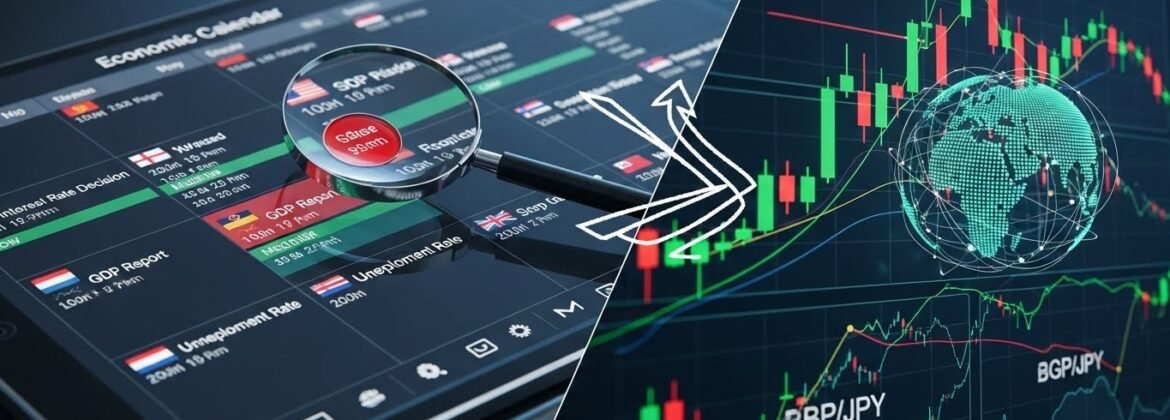
In Forex trading, market volatility is often driven by scheduled economic events. An economic calendar helps traders track these events and anticipate periods of increased price movement. Understanding how to read and use an economic calendar is essential for managing risk and identifying trading opportunities.
What Is an Economic Calendar?
An economic calendar is a schedule of upcoming economic data releases and events that can influence currency prices. These include indicators related to growth, inflation, employment, and monetary policy.
Common events listed on an economic calendar include:
- Interest rate decisions
- Inflation reports such as CPI
- Employment data such as Non-Farm Payrolls
- GDP releases
- Central bank speeches
Why Economic Calendars Matter in Forex
Forex markets react strongly to economic data because currencies reflect the strength and stability of a country’s economy. When actual data differs from market expectations, sharp price movements often follow.

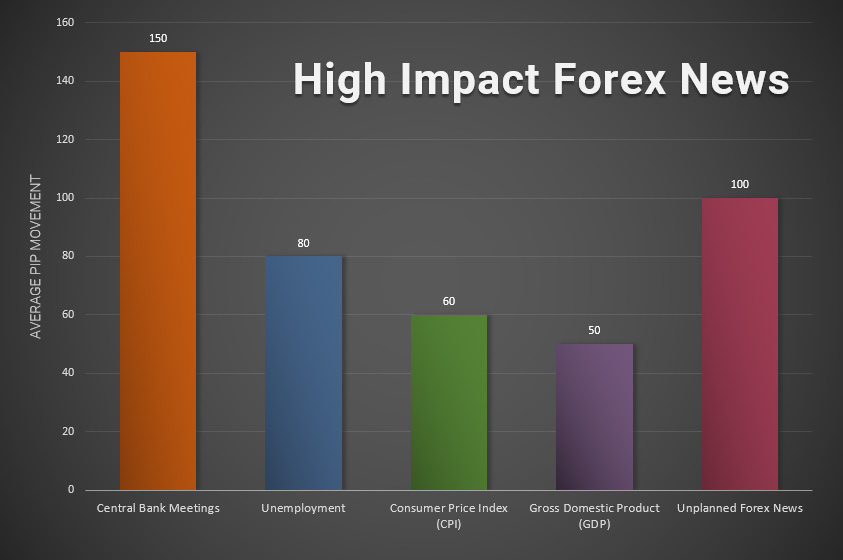
High-impact events can cause rapid price changes, wider spreads, and increased volatility within seconds of the release.
How Economic News Creates Volatility
Volatility occurs when traders and institutions adjust positions based on new information. Strong data can increase demand for a currency, while weak data can trigger selling pressure.
Market reactions depend on:
- The importance of the event
- Whether data beats or misses expectations
- Current market sentiment
- Central bank policy outlook
High-Impact vs Low-Impact Events
High-impact events usually cause the most volatility. These include interest rate decisions, inflation reports, and major employment data. Medium- and low-impact events may cause smaller or short-lived movements, depending on market conditions.
Traders often see the strongest volatility during releases involving major currencies such as USD, EUR, GBP, and JPY.
Timing and Volatility
Volatility is often highest during active trading sessions, especially when economic releases occur during the London or New York sessions. Session overlaps combined with major news can create extreme price swings.
How Traders Use Economic Calendars
Some traders avoid trading during major news releases to reduce risk, while others trade the volatility itself using short-term strategies. Economic calendars help traders plan entries, exits, and position sizes ahead of time.
Proper preparation allows traders to:
- Reduce surprise risk
- Adjust stop-loss and take-profit levels
- Avoid overexposure during high-impact events
Common Mistakes When Using Economic Calendars
Ignoring the calendar can lead to unexpected losses. Another mistake is trading every news release without a strategy. Volatility can cause slippage and rapid reversals, making disciplined risk management essential.