


In Forex trading, analysis is used to predict future price movements and make informed trading decisions. The two main approaches are technical analysis and fundamental analysis. Both methods are widely used by traders, and understanding the difference between them helps you choose the right strategy for your trading style.
What Is Technical Analysis?
Technical analysis focuses on price action, charts, and indicators. It is based on the idea that all market information is already reflected in price, and historical price patterns tend to repeat over time.
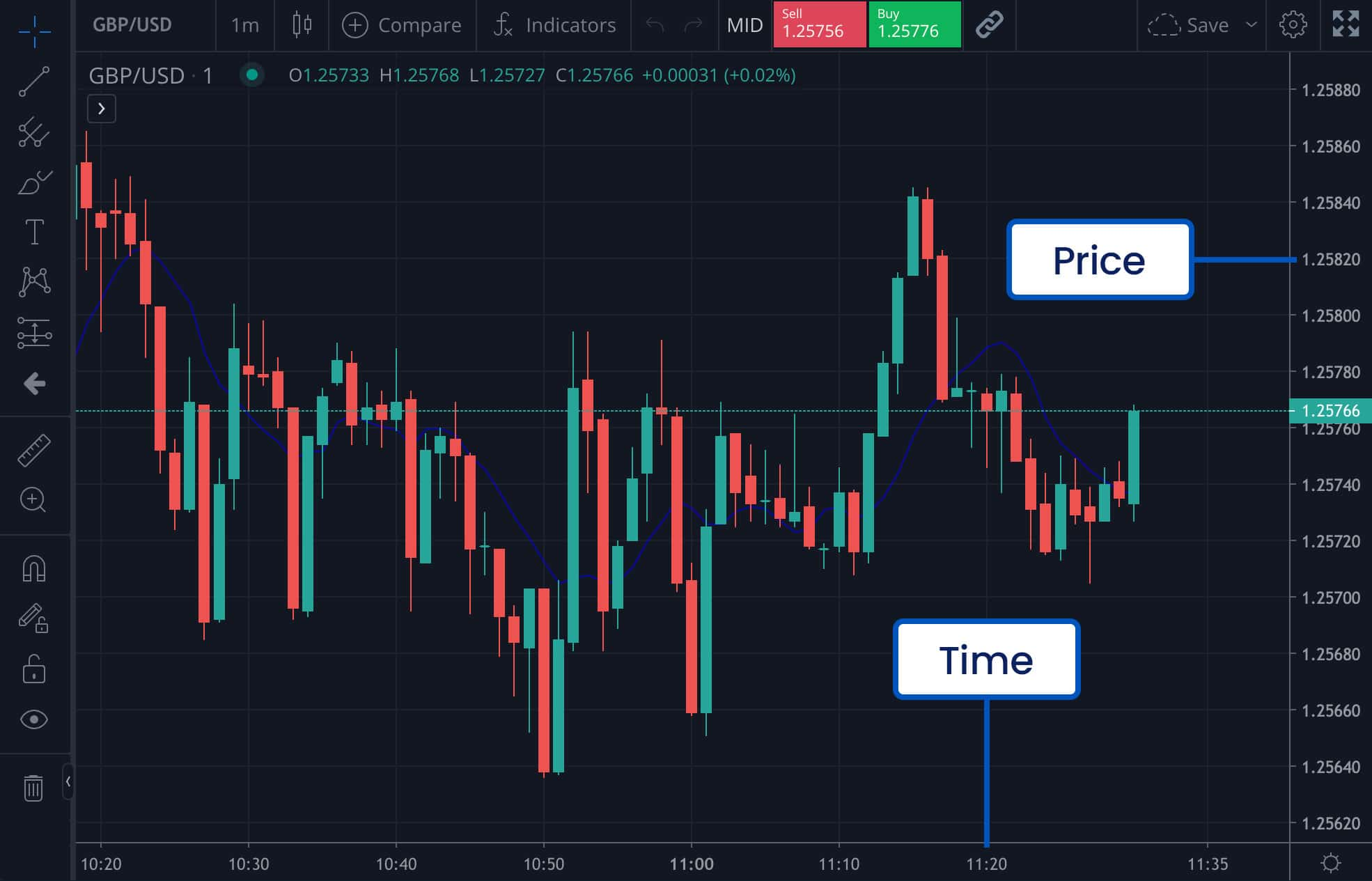
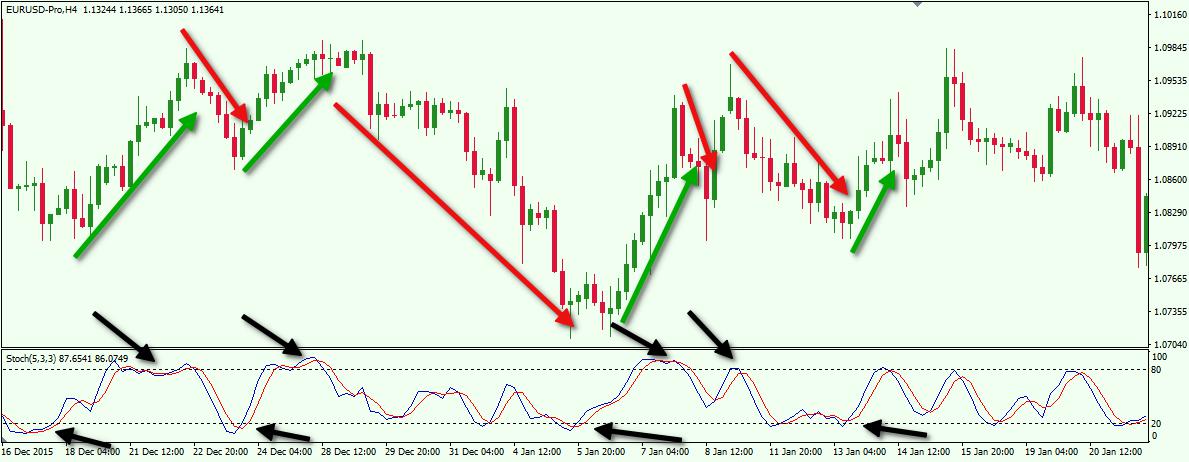

Technical traders analyze:
- Price charts and trends
- Support and resistance levels
- Chart patterns such as triangles, flags, and head and shoulders
- Indicators like moving averages, RSI, MACD, and Bollinger Bands
Technical analysis is commonly used for short-term trading, including scalping, day trading, and swing trading, where timing entries and exits is critical.
Advantages of Technical Analysis
Technical analysis provides clear entry and exit signals and can be applied to any currency pair and timeframe. It helps traders identify trends, momentum, and potential reversals with precision.
Limitations of Technical Analysis
Technical analysis does not explain why the market is moving. Sudden news events or economic announcements can invalidate technical setups and cause unexpected volatility.
What Is Fundamental Analysis?
Fundamental analysis focuses on economic, political, and financial factors that influence currency values. It evaluates the overall strength of an economy to determine whether a currency is likely to strengthen or weaken.


Fundamental traders analyze:
- Interest rates and central bank decisions
- Inflation, GDP, and employment data
- Monetary and fiscal policies
- Political stability and geopolitical events
Fundamental analysis is often used for medium- to long-term trading and position trading.
Advantages of Fundamental Analysis
Fundamental analysis helps traders understand the broader market direction and long-term trends. It is particularly effective during major economic shifts or policy changes.
Limitations of Fundamental Analysis
Fundamental analysis does not always provide precise entry and exit points. Markets may also react differently than expected to economic data, especially if the information is already priced in.
Key Differences Between Technical and Fundamental Analysis
| Aspect | Technical Analysis | Fundamental Analysis |
|---|---|---|
| Focus | Price and charts | Economic and political data |
| Timeframe | Short to medium term | Medium to long term |
| Tools Used | Indicators and patterns | Economic reports and news |
| Entry and Exit | Precise | Less precise |
| Market Reaction | Based on price behavior | Based on economic impact |
Which Analysis Is Better?
Neither approach is better on its own. Many successful traders combine technical analysis for timing and fundamental analysis for direction. This blended approach allows traders to understand why the market may move and when to enter or exit a trade.